


Can Calcium Really Help You Lose Weight?§

For years, calcium has been thought of as a bone-health nutrient. Useful, certainly. Exciting? Not especially. Which is why researchers were intrigued to find that people who consume more calcium often appear to carry less body fat.1 It turns out calcium may influence how much fat you burn, how much you eat, and even how much fat your body absorbs.
Calcium & Weight Loss: What Does The Science Say?
The relationship between calcium and body weight has puzzled researchers for years. People with higher calcium intakes often seem to carry less body fat, but association is one thing; explaining it is another.
Researchers have since proposed three ways calcium may influence body fat:
Let’s look at each in turn.
Calcium May Help Your Metabolism
One of the first clues came from a 15-week randomized, double-blind study involving 63 overweight or obese women, all of whom consumed relatively little calcium before the study began.2
Every participant followed the same calorie-controlled weight-loss program. Half also received calcium and vitamin D supplements, while the other half received a placebo.
When researchers looked specifically at the women with the lowest calcium intakes—less than 600 mg a day—they found something interesting. Those taking the calcium supplement lost significantly more body fat and body weight than women taking the placebo.
One study doesn't prove cause and effect. But it does add to a growing body of evidence suggesting calcium may play a role in how the body regulates fat during weight loss.
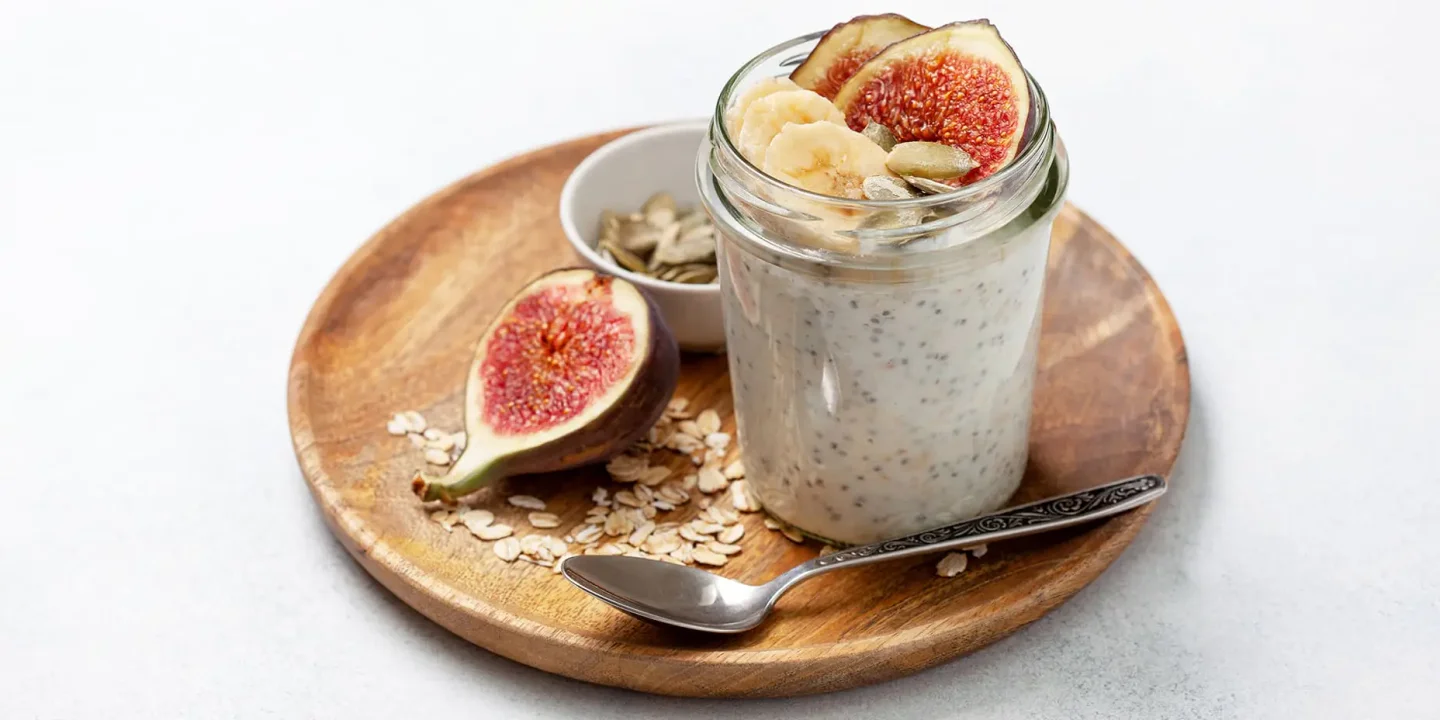
Calcium May Help You Feel Fuller For Longer
Calcium may also influence something rather more familiar to anyone who has tried to lose weight: hunger.
In a double-blind study involving 20 adults, researchers compared meals containing different combinations of calcium and protein, then tracked how much participants ate over the rest of the day.3
The difference was notable.
After the high-calcium, high-protein meal, participants consumed the fewest calories overall. A high-calcium meal on its own came next, while the low-calcium, low-protein meal was followed by the highest calorie intake of all.
The researchers concluded that calcium, both with and without protein, appeared to suppress appetite.
It’s a small study, certainly. But it raises an intriguing possibility: getting enough calcium may not only affect what happens to fat inside the body — it may also influence how much we feel like eating in the first place.

Calcium May Reduce The Amount Of Fat Your Body Absorbs
Here’s where things get especially interesting.
Calcium doesn’t just appear to influence appetite. It may also affect what happens to the fat you eat after it reaches your gut.
A 2012 meta-analysis of seven randomized controlled trials found that higher calcium intake increased the amount of dietary fat excreted rather than absorbed.4
In the dairy-calcium trials, participants excreted an average of 5.2 grams more fat per day.
Put simply, some of the fat that would normally be absorbed simply passed through the body instead.
It’s a modest effect, but over time, it could make a meaningful contribution to weight management.
How To Make Calcium Part Of A Healthy Weight-Loss Plan
So that’s the science behind calcium and weight loss. Granted, you have to do more than take calcium to lose weight. As you know, proper nutrition and exercise play a key role as well. But when it comes to keeping excess pounds off, every little bit helps.
So what’s the best way to incorporate calcium into your diet?
To get the most benefit, take supplemental calcium and vitamin D with breakfast. Research shows higher calcium and vitamin D intake at breakfast 5 increases the rate of fat burning that day.

But here’s the thing: Getting enough calcium from your diet alone can be tough. The recommended total calcium intake for adults is 1000–1200 mg per day. But the average Western diet only provides approximately 500 mg of calcium daily. That’s why calcium supplements are a great way to reach your dietary allowance and help you reap those weight-loss benefits too — if you choose the right one.
AlgaeCal Plus is a plant-based calcium supplement (all natural with no adverse side effects) that provides all 12 of the other essential bone-supporting minerals. Plus, it contains 720 mg of calcium per serving — which leaves enough room for adding plenty of calcium-rich foods to your diet.
Traditional rock calcium supplements typically provide a large single dose of calcium on its own (or with vitamin D). This results in excessive calcium intake without the right balance of other nutrients to direct calcium into bone. AlgaeCal Plus provides 720 mg of calcium along with a naturally occurring trace mineral complex and added vitamins and minerals, which facilitate the absorption and direction of calcium.
According to Lara Pizzorno, bone-health expert and best-selling author of Healthy Bones Healthy You!, taking more than 1500 mg can lead to adverse effects.
So play it safe. Include calcium-rich foods in your diet and take the recommended daily dose of AlgaeCal Plus to reap those bone-building and waist-slimming benefits of consuming calcium — minus any adverse side effects.
Does calcium help with weight loss?
How much calcium do you need per day for weight and bone health?
Will taking a calcium supplement make me lose weight on its own?
What is the best way to get calcium for both bone and weight benefits?
Can taking too much calcium be harmful?
Sources
1.Heaney RP, Davies KM, Barger-Lux MJ. Calcium and weight: clinical studies. J Am Coll Nutr. 2002 Apr;21(2):152S-155S.
2.Major GC, Alarie FP, Doré J, Tremblay A. Calcium plus vitamin D supplementation and fat mass loss in female very low-calcium consumers: potential link with a calcium-specific appetite control. Br J Nutr. 2009 Mar;101(5):659-63.
3.Gonzalez JT, Green BP, Brown MA, Rumbold PL, Turner LA, Stevenson EJ. Calcium ingestion suppresses appetite and produces acute overcompensation of energy intake independent of protein in healthy adults. J Nutr. 2015 Mar;145(3):476-82.
4.Gonzalez JT, Rumbold PL, Stevenson EJ. Effect of calcium intake on fat oxidation in adults: a meta-analysis of randomized, controlled trials. Obes Rev. 2012 Oct;13(10):848-57.
5.Wendy Chan She Ping-Delfos, Mario Soares (2011). Diet induced thermogenesis, fat oxidation and food intake following sequential meals: influence of calcium and vitamin D doi: 10.1016/j.clnu.2010.11.006.
